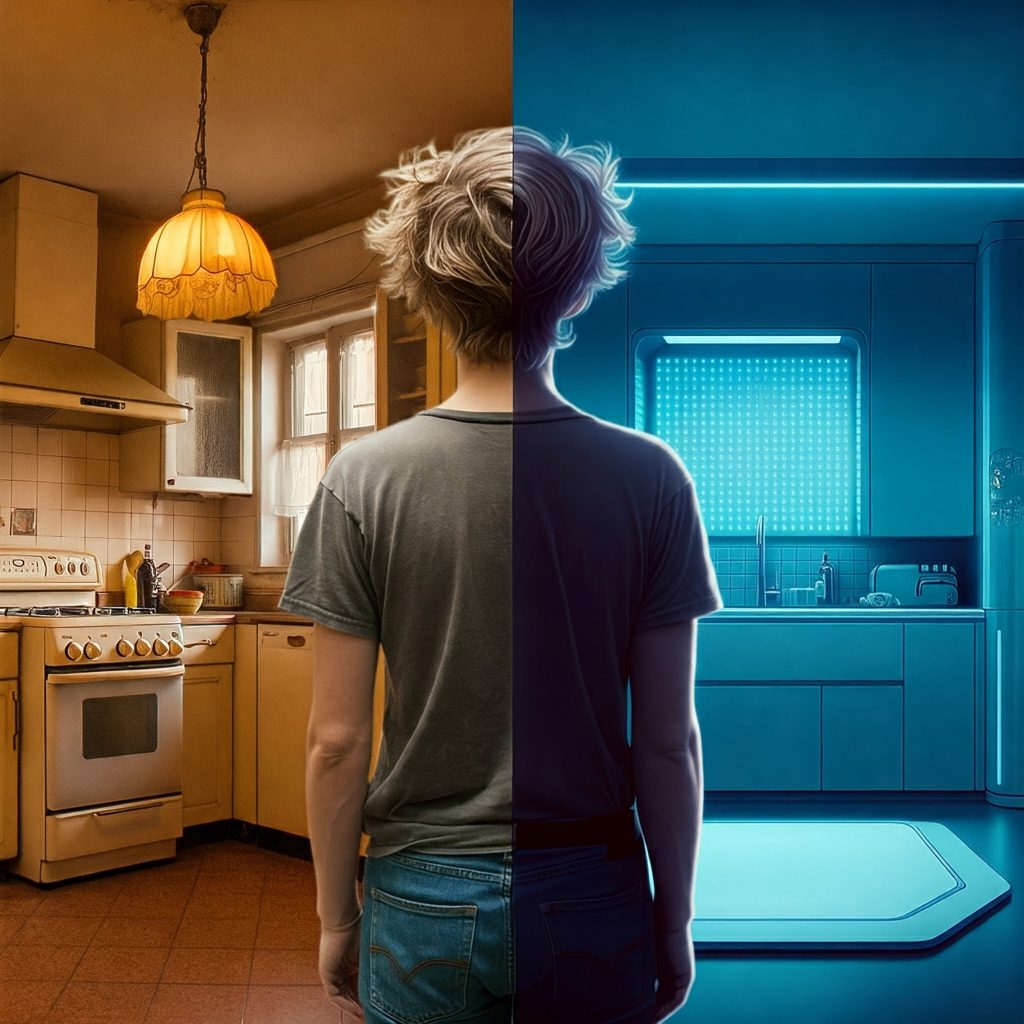

Smart Home vs. Traditional Home: Energy Savings Showdown
The allure of a smart home, with its interconnected devices and automated features, is undeniable. But beyond the convenience and “cool factor,” can a smart home truly deliver on its promise of energy efficiency and cost savings? In this article, we’ll pit smart homes against traditional homes in an energy savings showdown, exploring the potential benefits and drawbacks of each to help you make an informed decision about the future of your living space.
- Smart Home: The Contender
- Advantages: Intelligent Automation: Smart thermostats, lighting, and appliances can be programmed to optimize energy usage based on your schedule, occupancy, and preferences, minimizing waste and maximizing efficiency. Remote Control and Monitoring: Monitor and control your home’s energy consumption from anywhere, even when you’re away, ensuring nothing is left on unnecessarily. Energy Insights and Analytics: Smart home systems can provide detailed energy reports and insights, helping you identify areas for improvement and track your progress over time. Integration with Renewable Energy: Seamlessly integrate with solar panels and other renewable energy sources to maximize efficiency and reduce reliance on the grid.
- Disadvantages:
- Initial Investment: The upfront cost of smart home devices and installation can be significant.
- Complexity: Setting up and managing a smart home system can be complex, especially for those less tech-savvy.
- Privacy Concerns: Connected devices can raise concerns about data privacy and security.
- Dependence on Technology: A smart home’s functionality relies on a stable internet connection and working technology.
- Disadvantages:
- Traditional Home: The Champion
- Advantages:
- Lower Upfront Costs: Traditional homes don’t require the initial investment in smart home technology.
- Simplicity: Traditional homes are generally simpler to operate and maintain, without the need for complex technology or automation.
- Privacy: Traditional homes offer more privacy, as there are fewer connected devices collecting and transmitting data.
- Disadvantages:
- Limited Control and Automation: Traditional homes lack the ability to automate energy-saving features or control devices remotely.
- Less Energy Efficiency: Without smart technology, it’s harder to optimize energy usage and identify areas for improvement.
- Missed Savings Opportunities: Traditional homes may miss out on potential energy savings and cost reductions offered by smart home technology.
- Advantages:
- The Verdict: It Depends
- Budget: If budget is a major constraint, a traditional home might be a more practical choice initially. However, consider the long-term savings potential of smart home technology. Tech Savviness: If you’re comfortable with technology and enjoy the convenience of automation, a smart home might be a better fit.
- Energy-Saving Goals: If you’re committed to reducing your energy consumption and environmental impact, a smart home can offer significant benefits.
Conclusion:
Both smart homes and traditional homes have their advantages and disadvantages when it comes to energy savings. The best choice for you will depend on your individual needs, budget, and priorities. If you’re looking to maximize energy efficiency, reduce your bills, and embrace the convenience of automation, a smart home might be the way to go. However, if you prefer simplicity and lower upfront costs, a traditional home can still be a comfortable and energy-conscious option.
Call to Action:
- Share your thoughts on smart homes vs. traditional homes: Which type of home do you prefer and why? Share your perspectives in the comments below!
- Explore our other content: Check out our other blog posts and resources on smart home technology and energy efficiency.
- Stay informed: Subscribe to our newsletter for the latest updates on smart home trends and energy-saving tips.



Pingback: The Impact of CES 2025 on the Smart Home Energy Efficiency Market -
Pingback: The Future of Smart Home Energy Efficiency: Predictions Beyond CES 2025 -
Pingback: Cutting Energy Bills in Half with Smart Home Tech: A CES 2025 Perspective