
The smart home industry is constantly evolving, with new technologies and innovations emerging at a rapid pace. As we look ahead to 2026, industry experts are predicting several key trends that will shape the future of connected living. In this article, we will explore some of the most anticipated smart home trends, offering a glimpse into what the future holds for homeowners and technology enthusiasts.
Trend 1: Increased Focus on Sustainability and Energy Efficiency
- Net-Zero Energy Homes: The concept of net-zero energy homes, which produce as much energy as they consume, will gain even more traction in 2026. Smart home technology will play a crucial role in achieving this goal through energy monitoring, optimization, and the integration of renewable energy sources.
- Sustainable Materials and Practices: The use of eco-friendly and recycled materials in smart home construction and furnishing will become more widespread, reflecting a growing commitment to sustainability.
- Circular Economy Initiatives: Smart home companies will increasingly adopt circular economy principles, designing products with repairability and recyclability in mind to reduce waste and extend product lifespans.
Trend 2: AI and Machine Learning Advancements
- Contextual Awareness: Smart home systems will become even more contextually aware, understanding your routines, preferences, and even your emotional state to provide more personalized and proactive assistance.
- Predictive Analytics: AI-powered predictive analytics will anticipate your needs and automate tasks before you even ask, creating a truly intelligent and responsive home environment.
- Enhanced Voice Control: Voice assistants will become even more sophisticated, understanding natural language and complex commands with greater accuracy, making voice control the primary interface for interacting with smart home devices.
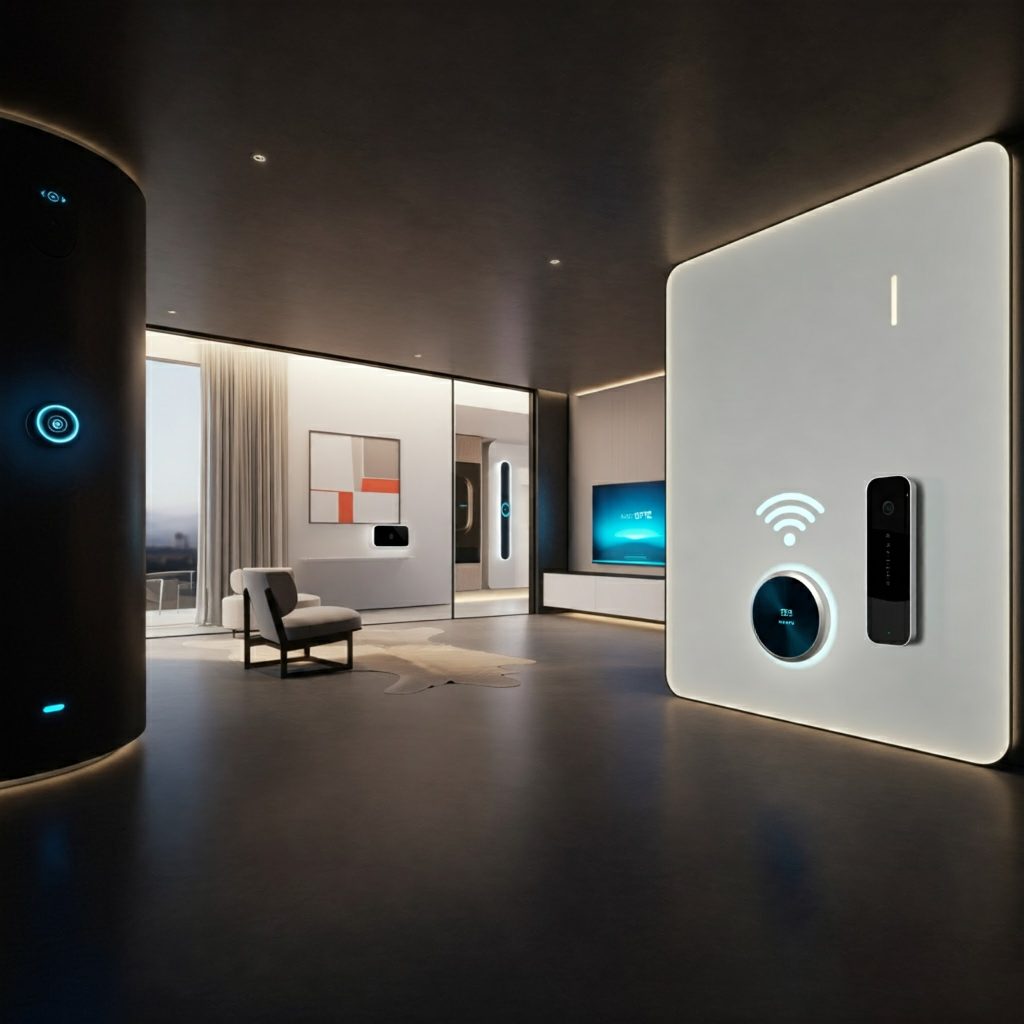
Trend 3: Seamless Integration and Interoperability
- Unified Platforms and Ecosystems: We can expect to see greater consolidation and standardization in the smart home industry, leading to more unified platforms and ecosystems that enable seamless communication and control of devices from different manufacturers.
- Matter Protocol Adoption: The Matter protocol, an open-source standard for smart home connectivity, will gain wider adoption, simplifying device setup and control and improving interoperability across different platforms.
Trend 4: Focus on Health and Wellness
- Sleep Tracking and Optimization: Smart home devices will integrate with sleep tracking technologies to monitor sleep patterns and create a conducive environment for restful sleep, adjusting lighting, temperature, and sound based on individual needs.
- Air Quality Monitoring and Control: Smart home systems will monitor indoor air quality and automatically adjust ventilation, air purifiers, and humidifiers to maintain a healthy and comfortable environment.
- Mental Health and Well-being: We can expect to see smart home solutions that promote mental health and well-being, such as lighting systems that mimic natural light patterns and sound systems that play calming music or nature sounds.
Trend 5: Accessibility and Inclusivity
- Voice Control and Gesture Recognition: Voice control and gesture recognition will become standard features in smart home devices, making them more accessible for individuals with limited mobility or disabilities.
- Customizable Interfaces: Smart home systems will offer more customizable interfaces and controls, allowing users to personalize their experience based on their needs and preferences.
- Aging in Place Solutions: Smart home technology will play a crucial role in supporting elderly individuals to live independently and safely in their homes, with features like fall detection, medication reminders, and remote monitoring.
Conclusion:
The future of smart home technology is bright, with exciting innovations and trends on the horizon. From sustainability and energy efficiency to AI, connectivity, and health and wellness, smart homes are poised to transform the way we live and interact with our living spaces.
Call to Action:
- Stay informed about the latest smart home trends and predictions.
- Embrace the possibilities of smart home technology and consider how these advancements can enhance your life.
- Invest in smart home solutions that align with your needs, priorities, and values.


