
CES 2025: The Smart Home Meets the Smart City: Building a Connected Future
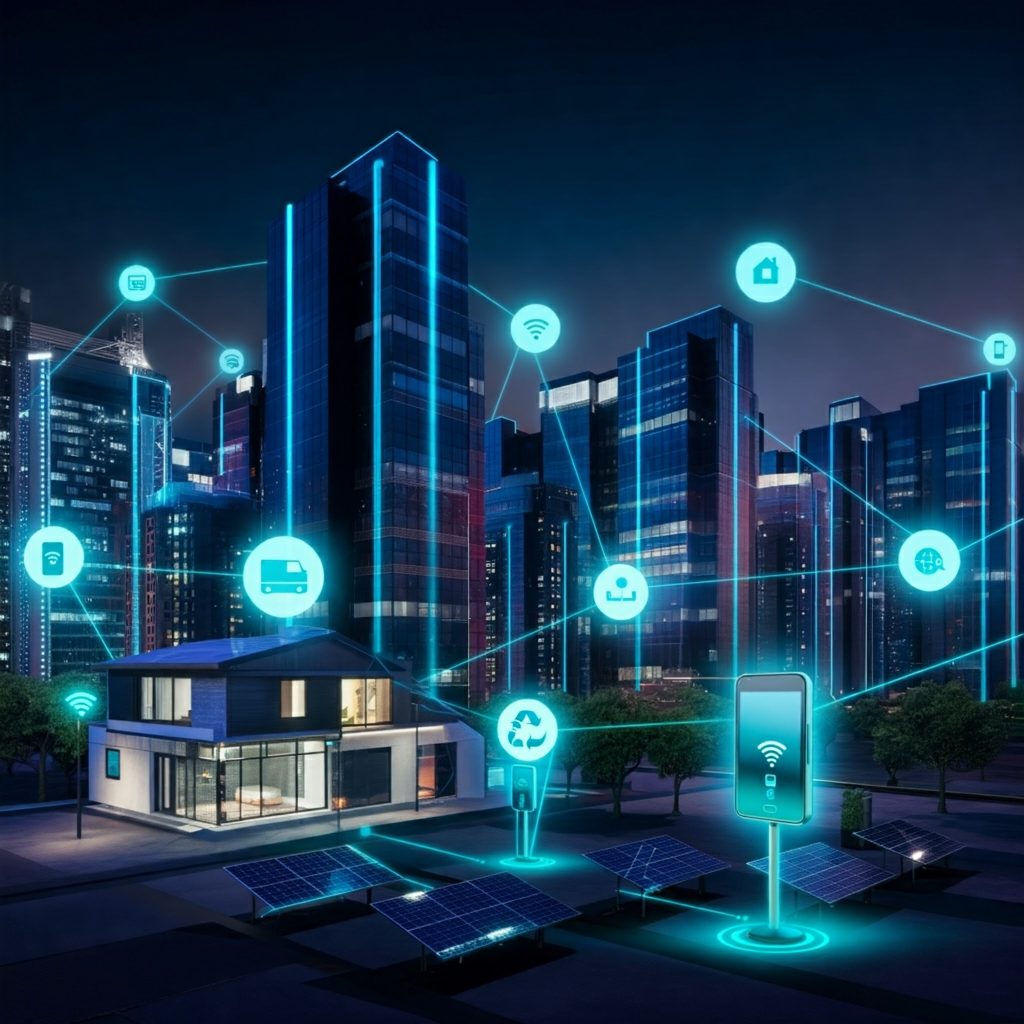
CES 2025 is poised to showcase the exciting convergence of smart home and smart city technologies, painting a picture of a future where our homes seamlessly integrate with the urban environments around them. This interconnectedness promises to revolutionize urban living, offering greater convenience, efficiency, sustainability, and resilience.
The Synergy of Smart Homes and Smart Cities
Imagine a city where traffic flows smoothly, energy consumption is optimized, and public services are readily accessible. Now, picture your home playing an active role in this interconnected ecosystem. That’s the vision driving the integration of smart home and smart city technologies.
- Data Sharing for Smarter Living: Smart homes, equipped with sensors and connected devices, generate a wealth of data about energy usage, traffic patterns, and environmental conditions. This data, when shared with city systems, can be used to optimize traffic flow, manage energy grids more efficiently, and improve emergency response times.
- Enhanced Sustainability: Smart homes can contribute to a city’s sustainability goals by monitoring and reducing energy consumption, optimizing water usage, and even facilitating waste management through smart bins and recycling systems.
- Improved Quality of Life: From smart streetlights that adapt to pedestrian and traffic flow to air quality sensors that provide real-time pollution data, smart city technologies can enhance the overall quality of life for urban residents.
Key Areas of Convergence at CES 2025
CES 2025 will likely showcase advancements in several key areas where smart home and smart city technologies intersect:
- Smart Mobility: Expect to see innovations in electric vehicle charging infrastructure, autonomous vehicles that communicate with traffic management systems, and smart parking solutions that guide drivers to available spaces.
- Energy Management: Companies will showcase smart grids that balance energy supply and demand, home energy storage systems that integrate with renewable energy sources, and AI-powered platforms that optimize energy consumption across entire neighborhoods.
- Environmental Monitoring: Sensors that monitor air quality, water quality, and noise pollution will be on display, along with platforms that analyze this data to identify environmental risks and inform mitigation strategies.
- Public Safety and Security: Expect to see advancements in smart surveillance systems, emergency response platforms that connect residents with first responders, and disaster preparedness solutions that leverage sensor networks to provide early warnings.
Examples of Potential Showcased Technologies
- Vehicle-to-Grid (V2G) technology: Electric vehicles that can not only draw power from the grid but also feed energy back into it, helping to balance energy demand and support renewable energy integration.
- Smart streetlights with integrated sensors: Streetlights that adjust their brightness based on pedestrian and traffic flow, equipped with sensors that monitor air quality, noise levels, and even detect gunshots.
- AI-powered platforms for urban planning: Software that analyzes data from various sources, including smart homes and city sensors, to optimize urban planning decisions, such as traffic flow management and resource allocation.
Challenges and Considerations
While the convergence of smart home and smart city technologies offers tremendous potential, it also raises important considerations:
- Data Privacy and Security: Ensuring the responsible collection, storage, and use of data generated by smart homes and city systems is crucial to protect individual privacy and prevent misuse.
- Interoperability: For seamless integration, smart home and smart city technologies need to be interoperable, allowing devices and systems from different manufacturers to communicate with each other.
- Equity and Access: It’s important to ensure that the benefits of smart city technologies are accessible to all residents, regardless of income level or technological literacy.
Conclusion
CES 2025 will provide a glimpse into a future where our homes and cities are seamlessly connected, working together to create more efficient, sustainable, and livable urban environments. By addressing the challenges and embracing the potential of this convergence, we can build a truly connected future that benefits everyone.


Pingback: Incheon-IFEZ to Showcase Korean Innovation and Smart City Vision at CES 2025 – Don’t Miss the Future of Smart Homes!