While smart homes play a vital role in promoting energy efficiency and sustainability, it’s important to recognize that the concept of green living extends far beyond our individual dwellings. In this article, we will engage in a broader discussion on sustainability and green technology, exploring their interconnectedness with smart homes and highlighting the importance of adopting a holistic approach to environmental responsibility.
The Interconnectedness of Smart Homes and Sustainability
- Energy Efficiency as a Foundation: Smart homes, with their intelligent automation and energy management capabilities, serve as a foundation for sustainable living. By optimizing energy consumption and reducing waste, they contribute to a lower carbon footprint and a more eco-conscious lifestyle.
- Beyond the Walls: However, true sustainability goes beyond the confines of our homes. It encompasses our transportation choices, consumption habits, and engagement with the broader community and environment.
- Holistic Approach: To achieve a truly sustainable future, we need to adopt a holistic approach that considers the interconnectedness of our actions and their impact on the planet. Smart home technology can be a catalyst for this change, encouraging us to make more conscious choices and adopt sustainable practices in all aspects of our lives.
Green Technology Innovations Beyond the Smart Home
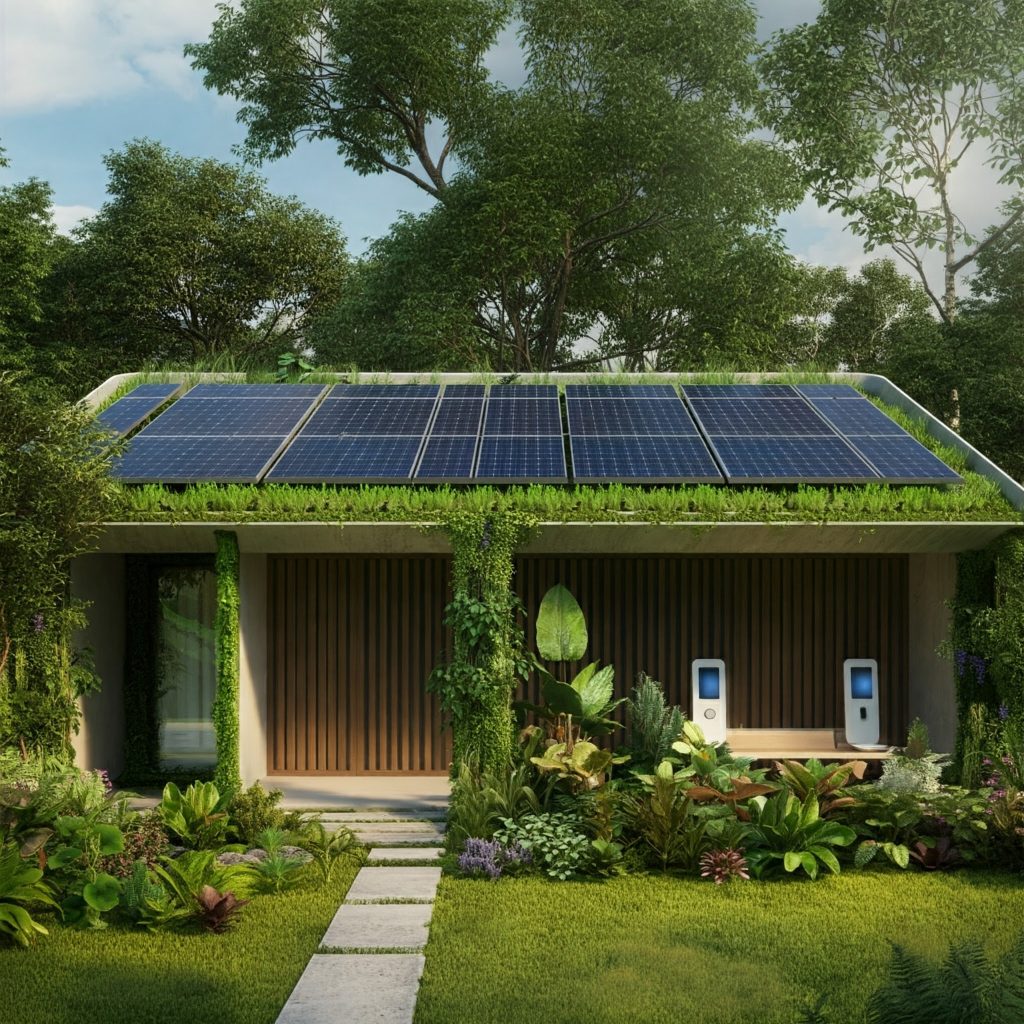
- Renewable Energy Sources: Advancements in solar, wind, and other renewable energy technologies are crucial for reducing our reliance on fossil fuels and mitigating climate change. Smart homes can play a role in integrating and managing these renewable energy sources, maximizing their potential and contributing to a cleaner energy grid.
- Sustainable Transportation: Electric vehicles, public transportation systems, and bike-sharing programs are transforming the way we move, reducing carbon emissions and promoting healthier communities. Smart home technology can support sustainable transportation by facilitating electric vehicle charging and providing real-time information on public transportation options.
- Circular Economy and Waste Management: Innovative technologies are emerging to improve recycling processes, upcycle waste materials, and promote a circular economy where resources are reused and repurposed. Smart homes can contribute to this movement by encouraging responsible waste management practices and integrating with smart recycling and composting solutions.
- Sustainable Agriculture and Food Production: Advances in vertical farming, hydroponics, and precision agriculture are making food production more sustainable and efficient. Smart home technology can play a role in monitoring and managing home gardens, supporting local food production, and reducing food waste.
The Role of Individuals and Communities
- Mindful Consumption: Reducing our consumption of resources, choosing sustainable products, and minimizing waste are essential steps towards a greener lifestyle. Smart home technology can help us track our consumption patterns and make more conscious choices.
- Community Engagement: Collaborating with neighbors and participating in community initiatives can amplify our impact and create a more sustainable environment for everyone. Smart home technology can facilitate community engagement through energy sharing, data sharing, and collaborative projects.
Conclusion
Smart homes are an important part of the sustainability equation, but they are just one piece of the puzzle. By embracing green technology innovations beyond the smart home and adopting a holistic approach to sustainable living, we can create a brighter, greener future for ourselves and generations to come.
Call to Action:
- Explore the various green tech innovations beyond the smart home and consider how you can incorporate them into your life.
- Support companies and initiatives that are committed to sustainability.
- Engage with your community and collaborate on projects that promote environmental responsibility.