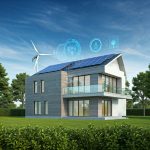
Smart homes, with their interconnected devices and automated features, are transforming the way we live and interact with our living spaces. While the convenience and efficiency benefits are undeniable, it’s essential to examine the environmental implications of this technological revolution. In this in-depth article, we’ll delve into the complex relationship between smart homes and the environment, exploring both the positive and potential negative impacts.
- The Positive Environmental Impact of Smart Homes
- Energy Efficiency:
- Highlight how smart home technologies like smart thermostats, lighting systems, and appliances can significantly reduce energy consumption, leading to lower carbon emissions and a smaller environmental footprint. Share statistics and case studies demonstrating the potential energy savings and carbon reduction achievable with smart homes.
- Discuss how smart irrigation systems, leak detection sensors, and other water management technologies can help conserve water resources. Provide examples of how smart homes can contribute to reducing water waste and promoting sustainable water usage.
- Explore how smart home technologies can help minimize waste generation. Discuss examples like smart refrigerators that track food expiration dates and smart compost bins that optimize composting processes.
- Sustainable Living:
- Emphasize how smart homes can promote a more sustainable lifestyle by encouraging energy-conscious behaviors and providing real-time feedback on resource consumption.
- Energy Efficiency:
- Potential Negative Environmental Impacts of Smart Homes
- Increased Energy Consumption from Devices:
- Acknowledge the potential for increased energy consumption due to the proliferation of connected devices in smart homes.
- Increased Energy Consumption from Devices:

- Discuss the importance of choosing energy-efficient devices and adopting mindful usage habits to mitigate this impact.
- Address the issue of electronic waste (e-waste) generated by the rapid obsolescence of smart home devices. Discuss the importance of responsible disposal and recycling practices, as well as the need for manufacturers to design products with longevity and reparability in mind.
- Acknowledge the environmental impact of data centers and cloud computing, which power many smart home systems. Discuss the need for energy-efficient data centers and the potential for renewable energy sources to power these facilities.
- Striking a Balance: Creating a Truly Sustainable Smart Home
- Choose Energy-Efficient Devices: Emphasize the importance of selecting smart home devices with high energy efficiency ratings and low standby power consumption.
- Adopt Mindful Usage Habits: Encourage readers to develop energy-conscious behaviors, such as turning off devices when not in use and optimizing settings for efficiency.
- Prioritize Longevity and Reparability: Advocate for choosing products that are designed to last and can be easily repaired, reducing e-waste. Support
- Sustainable Brands: Encourage readers to support companies that prioritize sustainability and eco-friendly practices in their product development and manufacturing processes.
- Stay Informed and Engaged: Emphasize the importance of staying informed about the environmental impact of technology and actively participating in discussions about sustainable solutions.
Conclusion
Smart homes have the potential to contribute significantly to a greener and more sustainable future. By leveraging energy-efficient technologies, promoting mindful consumption, and supporting sustainable practices, we can create living spaces that are both comfortable and environmentally responsible. While challenges remain, the future of smart homes looks promising, and it’s up to us to ensure that these technologies are used to create a positive impact on our planet.
Call to Action
- Share your thoughts on the environmental impact of smart homes: What are your concerns or hopes for the future of smart home technology and sustainability? Share your perspectives in the comments below!
- Explore our other content: Check out our other blog posts and resources on smart home technology, energy efficiency, and sustainability.
- Stay informed: Subscribe to our newsletter for the latest updates on smart home innovations and eco-conscious living.